Discover the transformative potential of cycle tracking. Master your hormones, energy, and productivity for a balanced and empowered life.
Hormones have a profound impact on our mood, energy levels, and productivity, which in turn affect our workouts, relationships, and overall well-being. Rather than viewing our hormones, periods, and menstrual cycles as mere explanations for emotional outbursts or crying sessions, why not take control of them? By embracing cycle tracking, you can proactively manage your hormones, mood, energy levels, and productivity to optimise every aspect of your life, from career and fitness goals to your sex life and relationships.
In the ever-changing landscape of wellness trends, it can be challenging to discern fact from fad. However, there’s one trend that has garnered my unwavering support: cycle tracking. This method has worked wonders for me and countless other women, and if you’re seeking greater autonomy over your body and a boost in all areas of your life, cycle tracking is for you. Let’s explore how you can harness the power of your hormones to enhance every facet of your life and unlock your full potential.
Understanding Cycle Tracking
Cycle tracking involves monitoring your menstrual cycle in various ways, allowing you to adjust your mindset and behaviours accordingly to work harmoniously with your hormones and achieve your goals. By anticipating how you’re likely to feel on specific days or weeks – whether tired, energetic, sensitive, or optimistic – you can organise and align different aspects of your life with these varying moods, energy levels, and emotions. Furthermore, it allows you to grant yourself grace and understanding when things don’t go as planned.
While millennials often attribute their moods to moon cycles or mercury retrograde, there’s another cycle that holds the key to understanding our well-being – the infradian cycle. This 28-day (ish) cycle operates within our bodies, affecting us in profound ways.
It’s worth noting that women who use hormonal contraception, such as the birth control pill, may not experience the same phases and sensations as those with a natural cycle. Hormonal contraceptives release synthetic forms of oestrogen and progesterone, which modify your natural hormone levels and the corresponding symptoms associated with each phase of the cycle. While you can still monitor how you feel throughout the month, it may not mirror the typical symptoms of a natural cycle.
“Your menstrual cycle is like an internal clock, guiding your emotions, energy levels, and even decision-making.”
Alisa Vitti, Hormonal Health Expert and Founder of Flo Living

Unveiling the Magic of Hormones
Hormones often receive a bad reputation as the culprits behind emotional breakdowns, skin breakouts, increased appetite, sluggishness, fatigue, and mental fog. (Oh, the joys!) However, it’s essential to recognise the vital role hormones play in our bodies. They are intricate chemical messengers responsible for regulating various processes within women’s bodies – both internal and external.
Have you ever experienced a sudden surge of energy that motivated you to book a high-intensity workout class or plan a night out with friends? Conversely, have you felt the need to retreat, cancel plans, and spend quality time alone on other occasions? These fluctuating feelings are not random; they are the result of our hormones working diligently to send signals throughout our bodies. For example, during the follicular phase of your cycle (around days 1-15), elevated levels of oestrogen contribute to feelings of optimism, sociability, and increased energy. In contrast, the luteal phase (around days 15-28) is dominated by progesterone, leading to introversion, fatigue, irritability, and heightened appetite.
How to Track Your Menstrual Cycle
Tracking your menstrual cycle is a simple and accessible process, with various methods available. The fundamental concept behind cycle tracking, or cycle mapping, is to record your symptoms each day and week and identify any recurring patterns.
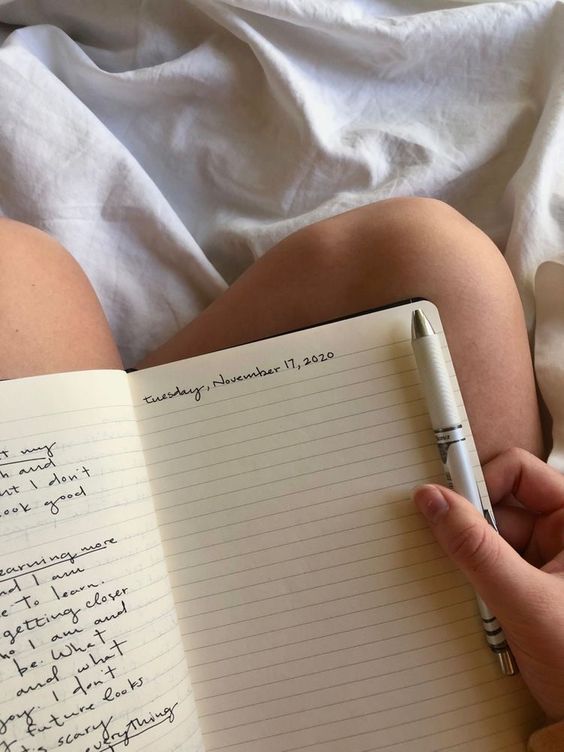
You can start by using traditional pen and paper, jotting down a few lines describing how you feel each day. Maintaining a journal or using a chart that fits a month’s worth of data on a single page can help you notice patterns between months.
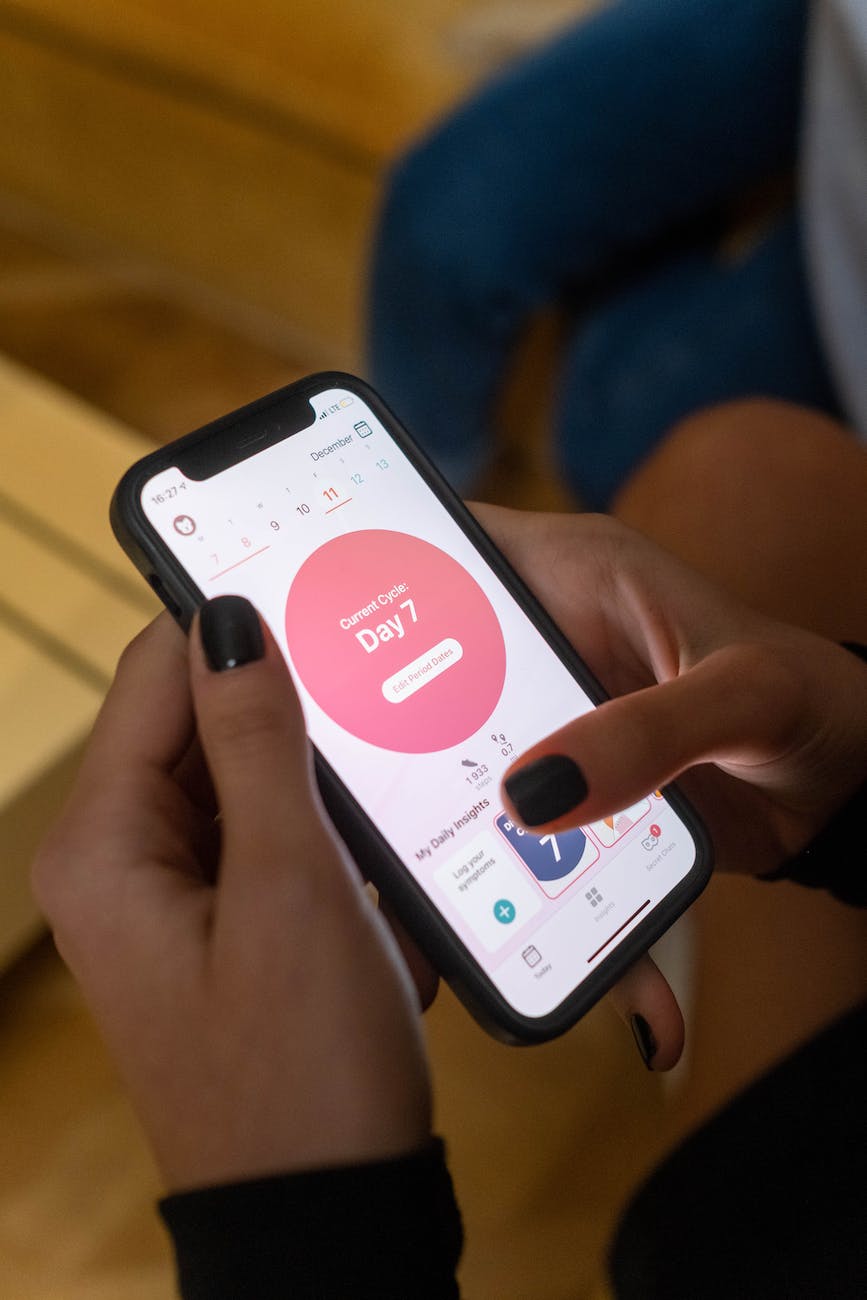
Alternatively, you can track your cycle digitally, utilising period tracking apps such as Clue, Moody, and Flo. Apple users can also take advantage of the cycle tracking feature on their Health app. These apps not only allow you to track your menstrual cycle but also provide valuable insights and advice tailored to each phase. They often include options to select your mood, stress levels, emotions, and other relevant factors. Additionally, they offer information on basal body temperature, cervical fluid, sleep patterns, and blood flow, all of which contribute to understanding your cycle and supporting your body throughout its different stages. While it’s important to consider potential data privacy concerns when choosing an app, many women find these tools helpful for both cycle tracking and fertility monitoring.
As you accumulate several months of tracked data, you’ll start recognising patterns in your energy levels, emotional states, social preferences, and even sexual desires. It’s crucial to be detailed in your tracking and not dismiss any occurrences or emotions as random. Take note of your physical, mental, and emotional states throughout the day. Whether it’s waking up feeling optimistic and excited, experiencing sleep difficulties, or sensing a change in intimacy preferences, every observation contributes to a comprehensive understanding of your unique cycle.
The key is to observe, learn, and take action. With this wealth of data, you can identify your distinct patterns, anticipate how you’re likely to feel on particular days and weeks, and plan your activities accordingly. Arrange vigorous workouts during high-energy phases, schedule date nights when you’re more inclined towards intimacy and connection, and prioritise self-care when you’re feeling sensitive and in need of a break from the outside world.
Through tracking, you may also discover how to be more compassionate and understanding towards yourself. By developing a deeper understanding of your body’s internal dialogue, you can pre-empt your emotions, physical ailments, and personal needs.
Mastering the Menstrual Cycle
While you might only notice your menstrual cycle once a month during your period, and perhaps a few days prior when you experience fatigue, bloating, irritability, and heightened emotions, your body is in a constant state of flux, progressing through different stages, each with its unique set of symptoms.
Days 1-5: Menstruation
Days 6-13: Follicular Phase
Days 14-16: Ovulation Days
17-28: Luteal Phase
Author Maisie Hill beautifully likens these phases to seasons in her book “Period Power.” Week one represents winter, week two is spring, week three is summer, and week four is autumn. Just like the changing seasons, each phase brings different symptoms and considerations. During winter, for instance, you naturally feel the urge to retreat and find solace indoors. On the other hand, summer tends to be filled with more social engagements. If you haven’t already, I highly recommend reading “Period Power” as a valuable resource for understanding and harnessing your own cycle. I find myself revisiting relevant chapters every month to guide me through each phase.
The first half of the menstrual cycle, roughly days 1-14, constitutes the follicular phase, while the second half, days 15-28, is the luteal phase. Hormones, primarily oestrogen and progesterone, dictate how you feel during each phase. Not only do they impact your energy levels and mood, but they also influence pain tolerance and cravings for specific foods.
Working Smarter, Not Harder, with Your Cycle
Embracing your menstrual cycle empowers you to work smarter, not harder, by aligning your activities with your body’s natural rhythms. During your period, prioritise rest and introspection. If you experience pain, allow yourself the indulgence of self-care.
Following your period, you may enjoy a surge in energy, optimism, and mental clarity. This is an ideal time to schedule important meetings or tackle tasks that require heightened creativity and problem-solving abilities.
In the second half, or luteal phase, you might feel more tired and experience mental fog. This is the time to focus on less demanding work that doesn’t require deep concentration.
Of course, life doesn’t always allow for complete rearrangement of schedules or avoidance of tasks with impending deadlines. However, being more intentional with your calendar and planner can make a significant difference. Making decisions in the moment also becomes easier as you understand and respect your body’s varying phases. Your luteal phase (roughly days 17-28 or autumn and winter) is an excellent time for organising and focusing on planning, while the follicular phase (spring and summer) is best suited for creative brainstorming and collaborative meetings.
“Cycle tracking allows women to harness the power of their hormones, leveraging their energy and mood for peak performance.”
Dr. Stacey Sims, Exercise Physiologist and Women’s Health Expert
Leveraging Your Cycle for Fitness Goals
Your menstrual cycle can also be an invaluable tool in meeting your fitness goals. From the first day of your period until around day 13, you’ll likely experience increased energy levels. It’s the perfect time to challenge yourself at the gym, set personal records, and leverage the extra confidence and strength. Many top athletes train according to their cycles, and you can maximise your workouts by capitalising on these days to push yourself further and make progress towards your fitness aspirations.
During days 21-28, the luteal phase, you may find that gentler forms of exercise feel more comfortable, and you may require additional rest days. While activities such as yoga, low-intensity workouts, and walking are particularly suitable during this phase, you can still engage in strength training and high-intensity interval training if that’s what feels good to you. However, be patient and understanding with yourself if the weights and intensity you achieved earlier in your cycle don’t come as easily. Let go of frustration and embrace the understanding that your body operates differently throughout its various phases. Recognise when to push yourself and when to take a well-deserved rest day.
The Transformative Power of Cycle Tracking
Taking control of your hormones brings a profound sense of empowerment. Personally, cycle tracking has transformed my life completely. I now know when to push myself during workouts and when to take it easy. I can plan date nights that foster intimacy and connection, avoiding unnecessary conflicts. Moreover, I’ve become more patient with myself when faced with emotional or mental challenges. I grant myself permission to rest, knowing that certain tasks may not be completed to the best of my ability.
I also communicate with my partner, providing advance notice of when I might be more prone to acting irrationally, and I encourage him to be patient during those times. These minor adjustments make a world of difference and positively transform my day-to-day experiences. While the occasional irrational moments and emotional breakdowns still occur, I approach them with greater patience and have learned to manage them more effectively. I acknowledge that sometimes I may be crying over spilled milk (quite literally), but I also understand that it will pass – it’s my body’s way of signalling me to slow down, rest, and minimise exposure to challenging situations.
It’s important to note that every woman’s experience may differ at various stages of her cycle. We are all unique, and the only way to truly take control of your specific cycle is to track it yourself and observe the patterns that emerge. So, why leave it to chance when you can seize control?
Now that you know how and why to start cycle tracking, will you harness your hormonal energy through your cycle to create positive changes in your life? Embrace the transformative power of cycle tracking and unlock your full potential.
Credits
Quotes: Alisa Vitti, Hormonal Health Expert and Founder of Flo Living; Dr. Stacey Sims, Exercise Physiologist and Women’s Health Expert
Image: CamilleStyles.Com; CottonBro on Pexels.
 She Flows
Leave a comment